Avoid fines: dispose hazardous household waste in Barking
Hazardous household waste has a habit of piling up in the cupboard under the sink, the shed out back, or that one box you keep meaning to sort "this weekend". Then one day you realise it is no longer just clutter. It is paint tins, batteries, old chemicals, broken electronics, fluorescent tubes, and half-used cleaning products that need handling properly. If you want to avoid fines: dispose hazardous household waste in Barking the right way, the key is simple: separate it, identify it, and use the correct disposal route before it becomes a nuisance, a safety risk, or a costly mistake.
In Barking, as in the rest of London, getting this wrong can lead to extra charges, rejected collections, or worse, fly-tipping problems if waste ends up somewhere it should not. The good news? Once you understand what counts as hazardous household waste and how the process works, it becomes much easier to deal with. This guide walks you through the practical steps, common pitfalls, and the safest options for households, landlords, renters, and anyone clearing out a property.
Quick takeaway: hazardous waste should never be mixed with general rubbish. The right sort, the right container, and the right collection or disposal route can save you stress, money, and a very awkward phone call later.
For broader clearance needs around the home, you may also find the local services on home clearance and house clearance useful, especially when hazardous items appear during a larger sort-out.
Table of Contents
- Why it matters
- How it works
- Key benefits and practical advantages
- Who this is for and when it makes sense
- Step-by-step guidance
- Expert tips for better results
- Common mistakes to avoid
- Tools, resources and recommendations
- Law, compliance, standards, or best practice
- Options, methods, or comparison table
- Case study or real-world example
- Practical checklist
- Conclusion
- Frequently asked questions
Why Avoid fines: dispose hazardous household waste in Barking Matters
Hazardous household waste is not just "messy rubbish". It can leak, ignite, corrode, contaminate other materials, or expose people to harmful fumes. A cracked container of solvent in a warm hallway. A box of old batteries mixed with general waste. A partly full can of paint tipped into the wrong bin. These small mistakes can create big problems very quickly.
In practical terms, the issue matters for three reasons. First, safety: some household products can burn skin, damage eyes, or release fumes. Second, compliance: waste collectors and local services often reject mixed or unsafe loads, which can delay clearance or add costs. Third, responsibility: once hazardous items are left in the wrong place, the chain of handling becomes messy. That is how simple household clearance turns into a fly-tipping risk or a neighbour complaint. Not ideal, to put it mildly.
There is also the local reality of tight urban living. In flats, terraces, shared gardens, and converted properties, waste often gets stored in small spaces where children, pets, and neighbours may come into contact with it. That makes careful disposal more than a tidy-up task; it becomes a basic household safety measure.
If your hazardous items are turning up alongside larger bulky waste, it can make sense to plan the whole job together. Services such as waste removal can help when you are dealing with mixed household waste that needs a more structured approach.
How Avoid fines: dispose hazardous household waste in Barking Works
The process is less complicated than people expect. The key is to avoid guessing. Hazardous household waste should be identified before it is moved, packed, or handed over. Once you know what you have, the next step is to separate items by type and decide whether they need specialist handling, secure transport, or a dedicated collection route.
In most household situations, the workflow looks like this:
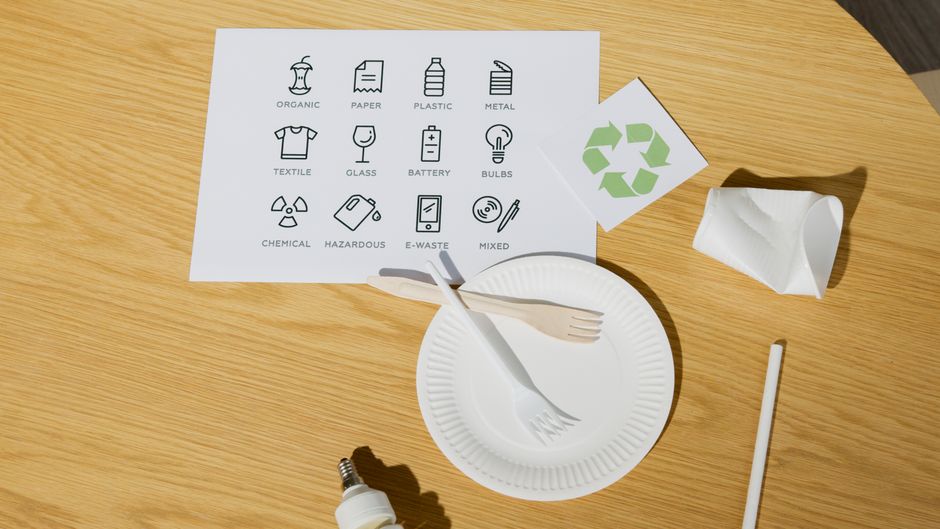
- Identify the item. Check the label, smell, condition, and container. If it says corrosive, toxic, flammable, or irritant, treat it carefully.
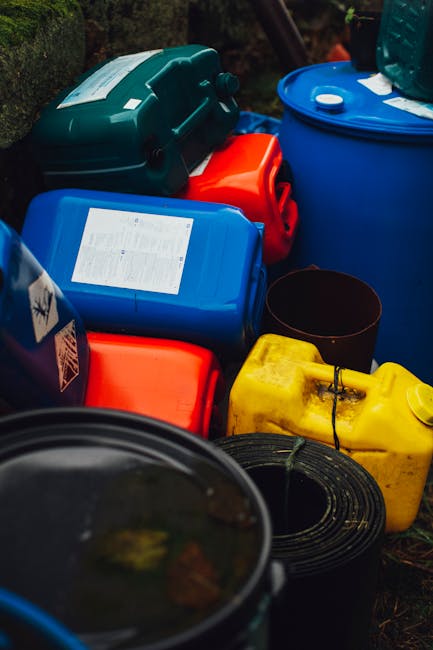
- Keep it in the original container where possible. That helps preserve the warning label and reduces the risk of a dangerous mix-up.
- Do not combine different products. For example, mixing paint thinner with leftover cleaning fluid is asking for trouble.
- Store safely until disposal. Keep items upright, away from heat, and out of reach of children and pets.
- Choose the right disposal method. Some items can go through a dedicated household hazardous waste route, while others may need a specialist clearance service.
Small batteries, aerosols, chemicals, and electrical items often get handled differently from liquid substances or larger containers. That is why one "universal" solution rarely works. A chipped bleach bottle and an old pesticide tub are not the same thing, even if they both fit in a carrier bag.
For households clearing several rooms at once, it can be easier to deal with hazardous items as part of a broader project. That is where flat clearance or loft clearance may come into play, particularly when forgotten cleaners, tins, and broken fittings appear in storage spaces.
Key Benefits and Practical Advantages
Doing this properly brings more than just peace of mind. It keeps the whole house clearance process calmer and cleaner. You will notice the difference straight away when items are sorted before moving day, rather than shoved into random bags and sorted later. Later usually means never, or at least after an unpleasant surprise.
- Lower risk of contamination: hazardous liquids and powders stay contained instead of spreading into other waste.
- Safer handling: fewer accidents for family members, cleaners, and anyone helping with the clearance.
- Smoother disposal: properly separated waste is easier to collect and transport.
- Less chance of rejected waste: mixed loads can be turned away if they are unsafe or poorly sorted.
- Better household organisation: once hazardous items are cleared, the rest of the room tends to feel far more manageable.
- Reduced risk of penalties or enforcement issues: improper disposal can create liability where a homeowner assumed there was none.
There is a quieter benefit too. People often sleep better once they know the dangerous stuff is gone. A half-empty shelf of old chemicals can sit there for months nagging at you. Clear it properly and the whole room feels lighter.
When a property needs broader decluttering, some households combine hazardous item sorting with furniture and bulky waste work. Useful supporting services include furniture disposal and furniture clearance if damaged or contaminated items need to go at the same time.
Who This Is For and When It Makes Sense
This topic is relevant to more people than you might think. It is not only for major spring cleans or renovation projects. A surprisingly ordinary household can accumulate hazardous items over time without noticing.
This guidance is especially useful if you are:
- a homeowner clearing out a shed, garage, or utility room;
- a tenant moving out of a flat and needing to leave the place safe and tidy;
- a landlord preparing a property for new occupants;
- an executor or relative dealing with a home after a bereavement;
- someone finishing DIY work and left with leftover materials;
- a family with children who wants potentially harmful items out of reach;
- a person clearing an older property where products have been stored for years.
It makes sense whenever you are unsure whether an item belongs in household rubbish, a recycling stream, or a specialist disposal route. Truth be told, if you have to ask yourself "is this safe to put out with general waste?" there is usually a reason to pause.
Properties in Barking can be a mix of compact flats, shared entrances, older terraces, and homes with limited storage. That means hazardous items often get tucked away in places like cupboards, garden corners, garage shelves, or under-stair spaces. If that sounds familiar, you are not alone.
For bigger clear-outs involving storage spaces, a garage clearance or garden clearance can help you deal with the wider clutter around the hazardous items as well.
Step-by-Step Guidance
Here is a practical way to handle the job without overcomplicating it.
- Pause before moving anything. Some items become more dangerous if they tip, break, or leak.
- Sort by type. Keep paints separate from cleaning chemicals, batteries separate from aerosols, and electronics separate from liquids.
- Read the labels. If there is a hazard symbol or warning word, treat it as important. Even faded labels can tell you a lot.
- Check for damage or leakage. If a container is swollen, rusted, or cracked, it needs extra care.
- Use protective gear if needed. Disposable gloves are a sensible minimum for many household items. Good ventilation matters too.
- Store temporarily in a safe spot. A stable, cool area away from ignition sources is usually best.
- Decide on the disposal route. For small quantities, a local approved route may be enough. For larger volumes or mixed loads, a collection service is often more practical.
- Keep a simple list. This is one of those unglamorous but useful steps. A quick note on what you have makes sorting far easier later.
If you are tackling a full property rather than a single cupboard, it may help to think in zones: kitchen, bathroom, shed, loft, garage, then general clutter. That sort of rhythm keeps the job moving. One shelf at a time, not the whole house in one chaotic burst.
If your waste includes construction leftovers, speak to a suitable route such as builders waste clearance, because paint, plaster, adhesives, and rubble do not always belong in the same disposal process as household items.
Expert Tips for Better Results
Having seen many clear-outs go well and a few go sideways, a few practical habits make a real difference.
- Keep original packaging whenever you can. Labels matter. A mystery liquid in a jam jar is much harder to handle safely than the original container.
- Do not overfill storage boxes. Heavy items can crush lighter containers underneath them.
- Separate sharp or breakable items. Broken glass and damaged tubes are common injury points in household waste.
- Plan the disposal before the clear-out starts. It is much easier to sort a room when you already know where hazardous items are going.
- Check for hidden leftovers. Half-used products often sit behind normal cleaning supplies. Behind the bleach, behind the polish, behind the junk drawer chaos. You know the one.
- Keep children and pets away during sorting. Even a short distraction can create a hazard.
- Think about the whole property, not just one room. Many hazardous items are discovered when people move cupboards, loft boxes, or old storage tubs.
A useful habit is to deal with the most troublesome items first. That way, if your energy dips halfway through, the highest-risk waste is already out of the way. Small win, big relief.
If the job is part of a more extensive property clearance, it may also be worth looking at house clearance for a coordinated removal plan that reduces back-and-forth.
Common Mistakes to Avoid
Most problems come from rushing. Or guessing. Sometimes both.
- Putting hazardous items in general rubbish: this is the most common and most avoidable error.
- Mixing products together: even a small amount of the wrong combination can be unsafe.
- Removing labels: once the label is gone, so is a lot of useful safety information.
- Leaving items in hot sheds or damp garages: heat, moisture, and sunlight can affect containers and contents.
- Ignoring old batteries and small electronics: these are often treated casually but still need proper handling.
- Trying to hide waste in a larger load: this can create collection issues and possible enforcement trouble.
- Waiting until the last minute: moving day is not the moment to discover three leaking tins and an aerosol canister with a dent in it. That is a stressful morning, frankly.
Another easy mistake is assuming an item is "empty" because it feels light. With chemicals, fumes, or residue, that is not always a safe assumption. If in doubt, keep it separate until it is properly checked.
Tools, Resources and Recommendations
You do not need fancy equipment, but the right basics help a lot.
- Sturdy gloves for handling contaminated or dusty items.
- Seal-able containers or boxes for keeping small items together.
- Permanent marker to label boxes with contents and warnings.
- Old towels or absorbent material for minor leaks, used carefully and disposed of safely.
- A torch for checking cupboards, loft corners, and dim storage spaces.
- Face covering or mask when dusty or mouldy conditions are involved, if appropriate.
For practical recommendations, start with a quick property walk-through and identify likely storage points: under sinks, utility shelves, garages, loft boxes, garden sheds, and bathroom cabinets. You would be surprised how often a forgotten aerosol or solvent container sits in plain sight once you look properly.
For service-led help, the company's pricing and quotes page can help you understand what a structured removal might involve, while recycling and sustainability is useful if you want a clearer picture of responsible disposal habits.
If you are handling office-related items alongside household waste, the company also offers office clearance and business waste removal for mixed environments where domestic and work items have become tangled together.
Law, Compliance, Standards, or Best Practice
Hazardous household waste is one of those areas where best practice matters even when people are not thinking about formal rules. In the UK, households are expected to dispose of waste responsibly, and collectors can refuse loads that are unsafe, contaminated, or incorrectly sorted. Local councils and licensed waste handlers also work under stricter requirements than ordinary household disposal, so a load that looks "fine" to a resident may still be unacceptable once inspected.
The practical takeaway is straightforward: keep hazardous waste separate, do not conceal it in mixed rubbish, and use a disposal route appropriate to the item type and quantity. If you hire someone to remove waste, it is reasonable to expect them to handle it safely, transport it properly, and follow accepted waste-handling practice. If they cannot explain how hazardous items are managed, that is a red flag. Not a dramatic one, just enough to pay attention.
For residents and landlords alike, the safest approach is to treat unknown or old products conservatively. If you are unsure what something is, do not assume it is harmless. That small pause can prevent a much bigger headache later.
Options, Methods, or Comparison Table
There is no single best option for every household. The right method depends on volume, item type, urgency, and how much sorting you want to do yourself. Here is a practical comparison to help you decide.
| Method | Best for | Pros | Limitations |
|---|---|---|---|
| Keep and sort for later | A few small items while planning a larger clearance | Flexible, low immediate effort | Risky if stored badly or forgotten |
| Separate household disposal route | Small volumes of clearly identified hazardous waste | Efficient and tidy | Requires careful sorting and item awareness |
| Specialist waste collection | Mixed, awkward, or larger quantities | Safer for complicated loads | May cost more than simple disposal |
| Full property clearance with waste sorting | House moves, bereavement clear-outs, large declutters | Most convenient for bigger jobs | Needs planning and clear instructions |
In practice, households often combine methods. For example, you might sort batteries and aerosols yourself, but leave mixed chemicals or damaged items for a safer collection. That is perfectly normal. You do not have to do everything in one heroic afternoon.
If your project involves large volumes of unwanted items, home clearance or waste removal can be the simpler route than trying to piece together several separate trips.
Case Study or Real-World Example
Here is a realistic scenario. A Barking family starts clearing a spare room before a renovation. At first it looks like standard clutter: old books, broken lamps, a wobbly chair, a stack of cables. Then, behind the wardrobe, they find a shoebox with half-used paint tins, two aerosols, a bottle of drain cleaner, and a bag of mixed batteries. Nothing exotic. Just the sort of thing that gets shoved aside for years.
They do the sensible thing. The paint tins are checked for leaks and kept upright. The aerosols are left separated. The drain cleaner is not opened or decanted. The batteries are gathered into a small container, and everything is stored safely away from the rest of the clear-out.
Then the larger room items are removed in a proper clearance, while the hazardous items are set aside for the right disposal route. The result? Less mess, fewer decisions on the day, and no risky guesswork. The room gets cleared without a scramble, and the family avoids the very common "we'll just sort it later" trap. Later is where problems breed.
That kind of mixed discovery happens all the time, especially in older properties, lofts, garages, and flats where storage has been a bit of a catch-all. It is nothing to be embarrassed about. It is just life.
Practical Checklist
Use this checklist before you dispose of hazardous household waste in Barking:
- Have I identified every potentially hazardous item?
- Are the original containers intact and labelled?
- Have I kept incompatible products separate?
- Are any containers leaking, rusting, swollen, or damaged?
- Have I stored the items in a cool, stable, child-safe place?
- Do I know which items can be handled with a normal household route and which need specialist treatment?
- Have I planned for gloves, boxes, and safe transport if needed?
- Is there mixed bulky waste that should be removed at the same time?
- Have I avoided putting anything hazardous in the general bin?
- Am I confident the disposal method matches the item type and quantity?
If you can tick most of those boxes, you are already ahead of many people. And if you cannot, that is fine too. It just means you need a bit more sorting before you move on.
For extra reassurance on how a professional service works, you can review the company's about us, health and safety policy, insurance and safety, and terms and conditions.
Conclusion
Hazardous household waste does not need to become a headache. Once you know what you are dealing with, the path is usually clear: sort it, store it safely, and choose the right disposal route before the waste becomes a hazard or a fine risk. That is the heart of it.
In Barking, where homes are often busy, compact, and short on storage, getting this right is especially valuable. It protects your household, keeps your clear-out organised, and reduces the chance of messy problems later on. No drama. No guessing. Just a cleaner, safer result.
If your household clearance is already underway and you want a more joined-up approach, the next sensible step is to compare your options and book support that fits the size of the job. A calm, well-planned clearance is worth a lot when the room is half full and the kettle is still on.
Get a free quote today and see how much you can save.
And if nothing else, getting that dangerous stuff out of the way has a way of making the whole house feel a bit more breathable. Sometimes that is all people need to get started.
Frequently Asked Questions
What counts as hazardous household waste in Barking?
It usually includes items such as old paint, solvents, cleaning chemicals, batteries, aerosols, certain garden products, fluorescent tubes, and some electronic waste. If an item is labelled toxic, flammable, corrosive, or irritant, treat it as hazardous until you know otherwise.
Can I put hazardous waste in my normal bin?
Usually, no. Mixing hazardous items with general household waste is unsafe and can cause collection problems. It is better to keep them separate and use the correct disposal route.
Do I need to keep hazardous items in the original container?
Yes, where possible. The original container keeps the label, warning symbols, and product information intact, which helps anyone handling the waste later.
What should I do if a hazardous container is leaking?
Do not tip it into another container unless you are sure it is safe and appropriate. Keep it upright if you can, avoid contact, and store it away from other items until you arrange proper disposal.
How do I know whether something is safe enough to throw away normally?
If it has no hazard warnings, is fully empty, and is not contaminated, it may be treated differently. But if you are unsure, it is better to check carefully rather than guess. With old products, caution is the safer choice.
Can hazardous household waste be removed with a larger clearance job?
Often, yes. Many households clear hazardous items alongside general clutter, furniture, or loft contents. A coordinated service can make the process easier, especially in larger properties.
What happens if I leave hazardous waste out with mixed rubbish?
It may be refused, causing delays and extra work. In some cases, it can also create compliance or safety issues for the person handling the waste.
Is it worth sorting hazardous waste before a house move?
Absolutely. A move is one of the best times to remove old chemicals, batteries, and forgotten containers. It saves packing time and prevents unsafe items from being moved unnecessarily.
What if I have only a few items, like batteries and one old paint tin?
Small amounts still need proper handling, but the job is usually simpler. Keep the items separate, store them safely, and choose the most suitable disposal option for the type of waste.
Can landlords ask tenants to remove hazardous household waste?
Yes, especially if the items were left behind or stored unsafely. Tenants and landlords both benefit from clear communication and a prompt, safe approach before the next occupant moves in.
What is the safest thing to do if I am completely unsure about an item?
Leave it untouched if possible, keep it separate from other waste, and seek a proper disposal route. When in doubt, do not mix it in with general rubbish. That small bit of caution can save a lot of trouble.
Is professional removal better than trying to do it myself?
That depends on the amount, the condition of the items, and how comfortable you are handling them. For small, simple loads, a careful DIY approach may be fine. For mixed, damaged, or larger quantities, professional help is often the safer and easier choice.