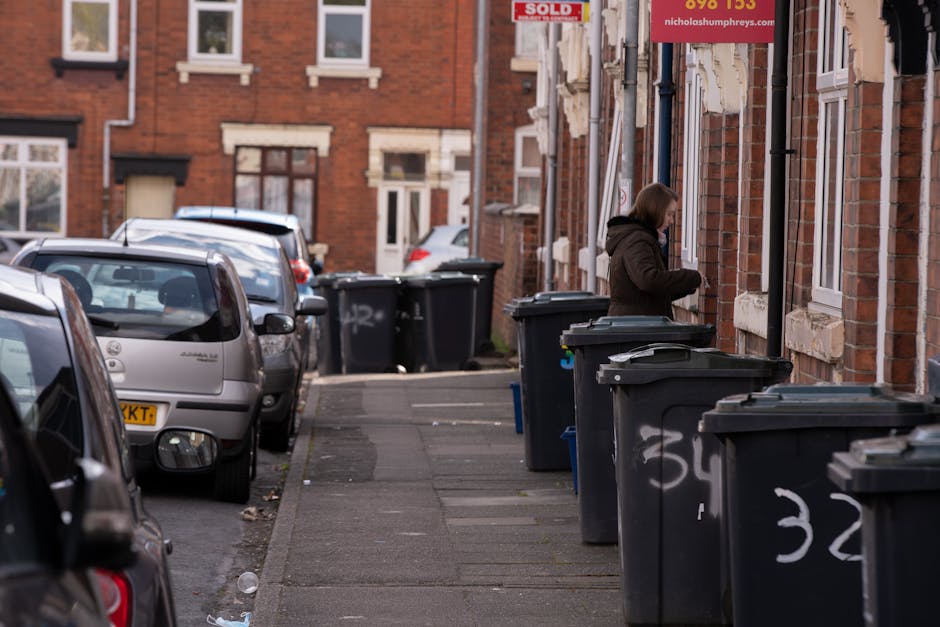
Barking IG11 rubbish removal guide for Dagenham Road residents
If you live on or near Dagenham Road in Barking, rubbish has a way of building up quietly. A broken wardrobe in the hallway. Two bags of old clothes that never made it to the charity shop. A pile of flat-pack packaging, garden cuttings, or that one bulky item that somehow becomes a permanent feature. This Barking IG11 rubbish removal guide for Dagenham Road residents is here to make the whole process clearer, calmer, and a lot less stressful. You will find practical steps, sensible comparisons, local considerations, and the kind of advice that helps you avoid waste, hassle, and those awkward "where do we put this now?" moments.
To be fair, rubbish removal is not glamorous. But it is one of those jobs that changes how a home feels straight away. Clear the clutter, and the room breathes again. Let's get into it properly.
Table of Contents
- Why it matters for Dagenham Road residents
- How rubbish removal works
- Key benefits and practical advantages
- Who this is for and when it makes sense
- Step-by-step guidance
- Expert tips for better results
- Common mistakes to avoid
- Tools, resources and recommendations
- Law, compliance, standards, and best practice
- Options and comparison table
- Case study or real-world example
- Practical checklist
- Conclusion
- Frequently asked questions
Why Barking IG11 rubbish removal guide for Dagenham Road residents Matters
Rubbish removal matters because space, safety, and convenience matter. In a busy part of Barking, especially around Dagenham Road where homes can be compact and access can be tight, even a modest amount of waste can start to feel bigger than it is. One overloaded hallway slows down daily life. A spare room full of unwanted items becomes a room you stop using. A front path with bags and broken furniture is not just untidy; it can become awkward for neighbours, visitors, and anyone with mobility issues.
There is also the practical side. Not all rubbish is the same. Some items are straightforward household waste. Others are bulky, awkward, heavy, dirty, or mixed with materials that need separating. If you get the approach wrong, you may end up doing more lifting than necessary, making multiple trips, or paying twice because the first plan was not thought through. Nobody needs that. Not on a wet Wednesday with a trolley full of old plasterboard and a dodgy back.
For Dagenham Road residents, the main challenge is often balance: you want removal to be quick, tidy, and affordable, but you also want it done responsibly. That usually means choosing a method that fits the type and volume of waste, the access to your property, and the urgency of the job.
One overlooked point is timing. Rubbish removal is much easier when you plan around your day rather than forcing your day around the rubbish. A small bit of preparation, honestly, saves a lot of running about later.
How Barking IG11 rubbish removal guide for Dagenham Road residents Works
Rubbish removal in Barking IG11 usually follows a fairly simple process, but the details matter. First, you identify what needs clearing. Then you decide whether it is a one-off household clear-out, bulky item removal, garden waste, builders' debris, or a larger mixed load. After that, the waste is assessed for volume, weight, access, and whether any items need special handling.
In practical terms, the service is often built around collection from your property, roadside access, or a suitable loading point. If your home is on a narrower street or near limited parking, that can influence how the job is organised. It is one reason why local knowledge helps. A team familiar with Barking and IG11 tends to understand what makes a street easy, or slightly fiddly, for a vehicle to access.
The actual removal day tends to be more straightforward than people expect. Items are sorted, loaded, and taken away. Good providers will also think about reuse and recycling, not just disposal. That is a sensible standard, and it usually reflects better planning as much as better ethics. If you are clearing a mix of furniture, old appliances, and household clutter, you may also want to consider a specialist page such as furniture disposal or furniture clearance if the load is mainly sofas, tables, beds, or other bulky pieces.
For larger domestic projects, the same logic applies. A loft packed with boxes and forgotten bits may suit loft clearance, while a wider property tidy-up might sit better under home clearance or house clearance. If the job is very specific, that specialism can make the whole thing faster and cleaner.
Key Benefits and Practical Advantages
The biggest benefit is obvious: your space comes back. But there are several other advantages that are easy to miss at first glance.
- Less stress: Seeing clutter disappear can be a relief in itself. There is a reason people feel lighter after a clear-out.
- Better use of space: That spare room, garage, loft, or hallway becomes usable again.
- Safer living conditions: Fewer trip hazards, fewer sharp edges, fewer things stacked where they should not be.
- Faster turnaround: A good removal plan can deal with the job in one visit rather than spreading it across a weekend.
- More responsible disposal: A decent service should aim to recycle and sort where possible.
- Less manual strain: Heavy lifting is where many people underestimate the job. Your back will thank you. Seriously.
There is also a quieter benefit: momentum. Once the first pile goes, the rest often follows more easily. We have seen people start with one bag and end up clearing half a room because the job suddenly feels manageable. Funny how that works.
If you are comparing household clean-outs with commercial or trade waste, the style of service changes too. Business clearances often need different planning, especially where paperwork, access, and mixed materials are involved. In those cases, business waste removal can be a more suitable fit.
Who This Is For and When It Makes Sense
This guide is useful for a wide range of Dagenham Road residents, not just people moving home. It makes sense if you are dealing with one of the following:
- a flat or maisonette that has built up clutter over time
- furniture left after replacing a sofa, bed, or dining set
- loft, cellar, or garage overflow
- garden waste after pruning or a weekend tidy-up
- post-renovation debris from a small DIY job
- property clearance after tenants move out
- an inherited home that needs a respectful, practical clear-out
It also makes sense when you do not want to spend hours sorting bins, hiring a van, or making repeated trips to a tip-style facility. Some people enjoy that sort of day. Most people, not so much.
If you are a landlord, letting agent, or small business owner in Barking IG11, the same thinking applies. Fast turnarounds matter. Clean presentation matters. And if there is office furniture or work equipment mixed in, office clearance may be more relevant than a general domestic tidy-up.
For residents living in flats, upper-floor homes, or buildings with limited lift access, a targeted approach is especially helpful. A service such as flat clearance can reduce the faff when stairs, corridors, and parking become part of the job.
Step-by-Step Guidance
Here is the simple way to approach rubbish removal without overcomplicating it.
- Walk through each room or storage area. Make a clear pile of what stays, what goes, and what needs a second decision.
- Separate bulky items from loose waste. Furniture, bags of waste, and loose bits are often handled differently.
- Identify anything that may need special handling. Paint tins, sharp objects, old electrical items, and materials from building work may require extra care.
- Estimate the volume honestly. People often underestimate this. A single sofa looks manageable until it sits next to six bin bags and a dismantled wardrobe.
- Check access. Is there parking? A narrow stairwell? A basement? A shared hallway? These details matter more than people expect.
- Ask for a clear quote or pricing explanation. Good pricing should be understandable. If it is fuzzy, ask more questions.
- Prepare the items for collection. Move waste together if you can safely do so, but do not injure yourself trying to be heroic.
- Confirm collection timing and what is included. Make sure you know whether lifting, loading, and disposal are covered.
A practical example: a resident on Dagenham Road may want to clear an old wardrobe, three bags of mixed household clutter, and a broken exercise bike from the first floor. That is not a huge project, but it is exactly the kind that can become annoying if you try to do it alone. Break it into categories, measure the space access, and plan one removal rather than several improvised lifts down the stairs.
If the job is outdoors, especially after hedge cutting or a garden refresh, garden clearance is the better match. If it is tied to a renovation, consider builders waste clearance. The more specific the service, the less likely you are to pay for the wrong kind of help.
Expert Tips for Better Results
Little decisions make a big difference here. In our experience, the best results come from clarity, sorting, and a realistic plan.
1. Take five minutes to pre-sort
Even a rough sort into furniture, recyclable items, general waste, and "not sure yet" helps reduce confusion on the day. You do not need museum-level organisation. Just enough to avoid standing there, scratching your head, with two people waiting at the door.
2. Keep pathways clear
If bags or items need to move through a hallway, clear that route in advance. A clear path means less chance of scuffs, delays, or awkward turns on the stairs.
3. Be honest about awkward items
Old mattresses, heavy wardrobes, and mixed rubble are not the same as a couple of black bags. Mention them early. It helps avoid surprises and keeps the quote realistic.
4. Think about disposal responsibility
You want a service that treats waste properly, not one that just moves it out of sight. A good sign is a sensible approach to recycling and reuse, supported by clear company policies such as recycling and sustainability.
5. Ask what happens to reusable items
If you are getting rid of furniture or usable household items, ask whether anything can be diverted from disposal. Sometimes items are too worn, but sometimes they are fine. It is worth asking.
One small but useful tip: photograph the load before collection if there is a chance you may need to compare quotes later. It takes thirty seconds. It also saves arguments. Human beings do like to remember things differently, don't they?
Common Mistakes to Avoid
The biggest mistake is treating all rubbish the same. It is not. Mixed waste, bulky furniture, and construction debris have different practical and sometimes compliance implications. Here are the common errors that trip people up.
- Underestimating volume: The pile always looks smaller before you start moving it.
- Leaving everything until the last minute: That creates rushed decisions and unnecessary stress.
- Not checking access: A job can become slower and more expensive if parking, stairs, or distance from the vehicle were not considered.
- Mixing hazardous or awkward items without warning: This can complicate collection and disposal.
- Choosing purely on price: Cheapest is not always best if it means unclear service or poor handling.
- Trying to move heavy items alone: This is where injuries happen. Not worth it.
Another easy mistake is assuming that every service covers every type of waste. That is rarely true. A general rubbish removal service may not be ideal for building debris, while a furniture specialist may not be the best choice for a loft full of mixed junk. Matching the service to the load saves time and friction.
Tools, Resources and Recommendations
You do not need much equipment for a straightforward clear-out, but the right basics can make the process smoother.
- Heavy-duty bags: Better for mixed household waste and lighter loose items.
- Gloves: Essential if you are sorting dusty loft items, broken bits, or old cardboard.
- Box cutter or screwdriver: Useful for breaking down flat-pack, furniture, or cardboard boxes safely.
- Labels or marker pen: Handy if you are separating keep, donate, and remove piles.
- Phone camera: Great for documenting what needs removing and checking that you have not forgotten anything.
As for service selection, a few recommendations stand out. If you are dealing with a single room or a smaller mixed load, general waste removal may be enough. If the items are mainly furniture, look at furniture disposal. If you have a larger domestic job with multiple rooms, home clearance or house clearance usually makes more sense.
And if you want to understand how a provider presents itself before booking, browsing the company's background through about us can help. If you need to ask a question directly, the contact us page is the natural next stop.
Law, Compliance, Standards, or Best Practice
Rubbish removal in the UK is not just about getting things out of the way. Waste has to be handled responsibly, and residents should be careful about who they trust with it. You do not need to become a compliance expert, but a few principles matter.
First, waste should be taken to an appropriate facility or handled in a way that follows accepted disposal practices. Second, anyone removing waste should be able to act responsibly with mixed loads, especially where items may need separating for recycling. Third, if a provider operates as a business, it should have sensible policies around safety, security, and handling. That is where documents such as health and safety policy and insurance and safety are reassuring signs.
For residents, the practical takeaway is simple: do not hand waste to someone who gives you a bad feeling or vague answers. If a company is clear about what it collects, how it works, and how it approaches disposal, that is usually a good sign. If not, walk away. Your instinct is often right on this stuff.
It is also wise to check terms before booking, especially if access is awkward or if the load includes odd items that may affect the final price or process. A quick look at terms and conditions can prevent misunderstandings later. For payment-related reassurance, payment and security may also be worth a glance.
Options, Methods, or Comparison Table
There are a few common ways people handle rubbish removal in Barking IG11. Choosing the right one depends on the size of the job, how quickly you want it done, and how much physical effort you want to put in.
| Option | Best for | Advantages | Limitations |
|---|---|---|---|
| DIY disposal | Very small, light loads | Can be cheap if you already have transport and time | Time-consuming, heavy lifting, multiple trips, access and parking hassles |
| Skip hire | Large renovation or ongoing project waste | Good for repeated fill-up over a few days | Takes space, may need permits depending on placement, not ideal for mixed one-off clutter |
| Professional rubbish removal | Mixed loads, bulky items, quick clear-outs | Fast, labour included, convenient, less lifting for you | Usually more expensive than doing it yourself for tiny loads |
| Specialist clearance | Furniture, lofts, garages, gardens, offices | More tailored to the job, often more efficient | Needs the right service match |
In many cases, professional removal wins on convenience alone. If your priority is speed and simplicity, it is hard to beat. If you have a very small load and plenty of time, DIY may still be fine. Depends on your week, really.
Case Study or Real-World Example
Here is a realistic example based on the kind of job we often see around Barking IG11.
A couple living near Dagenham Road had gradually filled a spare room with items they meant to sort "next weekend". You know how that goes. There was an old chest of drawers, two broken office chairs, several bags of mixed bits from a loft tidy, and a few items left over after replacing bedroom furniture. The room had become a storage zone, and every time they opened the door, they felt mildly annoyed with themselves.
Their first step was not moving anything. It was sorting. They separated reusable items from disposal items, checked what needed dismantling, and made a quick list. Then they identified the larger pieces that would need extra handling. Because the property was on an upper floor, access mattered. The narrower stairwell meant it would have been awkward to handle the job alone, and there was no good place to leave items waiting around.
By choosing a clearance approach that matched the load, they avoided multiple trips and finished the job in one visit. The room changed from a cluttered holding bay into a proper room again. Simple outcome. Big emotional relief. Sometimes the value is not in the rubbish itself, but in getting your home back.
Practical Checklist
Use this before arranging rubbish removal in Barking IG11:
- Have I identified everything that needs to go?
- Have I separated furniture, bagged waste, and mixed items?
- Do I know whether any items are awkward, heavy, or fragile?
- Is there safe access for collection?
- Have I checked parking or loading restrictions around the property?
- Have I taken photos if I want an easier quoting process?
- Do I know whether I need general waste removal or a specialist clearance service?
- Have I checked the provider's terms, safety, and payment information?
- Am I clear on what will happen to reusable or recyclable items?
- Is the area around the items safe and easy to walk through?
Expert summary: The best rubbish removal jobs are usually the ones that are planned just enough to avoid surprise. Sort the load, match the service to the waste, and keep access simple. That one small bit of preparation makes the whole day feel easier.
Conclusion
For Dagenham Road residents in Barking IG11, rubbish removal is really about making life easier without cutting corners. Whether you are clearing a flat, handling old furniture, tackling a loft, or dealing with a mixed household pile, the key is to choose the right method for the job. Small jobs can be handled simply. Bigger, heavier, or more awkward loads deserve a more tailored approach.
The good news is that you do not need to overthink it. Start with what you have, sort the items, check access, and pick the service that fits the real situation rather than the ideal one. That's usually where the stress drops away.
If you are weighing up your next step, it can help to look at related service pages such as pricing and quotes, recycling and sustainability, or the company's core waste removal information. A little research up front saves a lot of second-guessing later.
Get a free quote today and see how much you can save.
And once the clutter is gone, you may be surprised how quickly the whole place feels quieter. A bit lighter. More yours again.
Frequently Asked Questions
What counts as rubbish removal for a Dagenham Road home?
It usually covers general household waste, bulky items, old furniture, bags of clutter, and mixed rubbish that is too awkward for normal bin collection. The exact scope depends on the provider and the type of waste.
Is rubbish removal better than hiring a skip?
It depends on the job. If you have ongoing renovation waste and space for a skip, that can work well. For mixed household clutter, bulky items, or a quicker one-off clear-out, professional removal is often more convenient.
Can I get rid of furniture as part of rubbish removal?
Yes, in many cases. Sofas, wardrobes, beds, tables, and similar items are often handled through furniture clearance or furniture disposal, depending on the load.
What should I do before the removal team arrives?
Sort the items, clear a path, and make sure the rubbish is easy to identify. If you can safely group everything together, that helps the job run faster and keeps the visit tidy.
Do I need to be home during collection?
Usually yes, or at least someone responsible should be there if access needs to be arranged. It depends on the provider and the property setup, but it is best not to leave it vague.
How do I know if I need house clearance instead of general waste removal?
If you are clearing multiple rooms, a whole property, or a larger mix of furniture and household items, house clearance or home clearance may be more suitable than a simple waste removal booking.
What happens to reusable or recyclable items?
A responsible provider should aim to sort items where possible and direct suitable materials toward reuse or recycling rather than disposal. You can ask about this before booking.
Is garden waste handled separately?
Often yes. Grass cuttings, branches, hedge trimmings, and similar outdoor waste may be better suited to garden clearance.
What if I live in a flat on Dagenham Road?
Then access becomes a bigger factor. A flat clearance approach can be better for stairwells, shared entrances, and limited parking.
How do I avoid overpaying for rubbish removal?
Be accurate about what needs removing, include photos if possible, and choose the right service type. Most pricing problems come from vague descriptions or underestimating the amount of waste.
Can builders' debris be taken with household rubbish?
Sometimes mixed loads are possible, but builders' debris often needs its own handling. If the job includes bricks, plaster, timber offcuts, or renovation waste, builders waste clearance is usually the safer match.
How do I choose a provider I can trust?
Look for clear explanations, sensible policies, transparent pricing, and a straightforward way to get in touch. Pages like about us, insurance and safety, and complaints procedure can help you judge professionalism before you book.
What is the best first step if I am overwhelmed by the clutter?
Start with one small zone, not the whole property. A single cupboard, corner, or room makes the job feel achievable. Once that first section is clear, the rest tends to feel less daunting. Funny, but true.