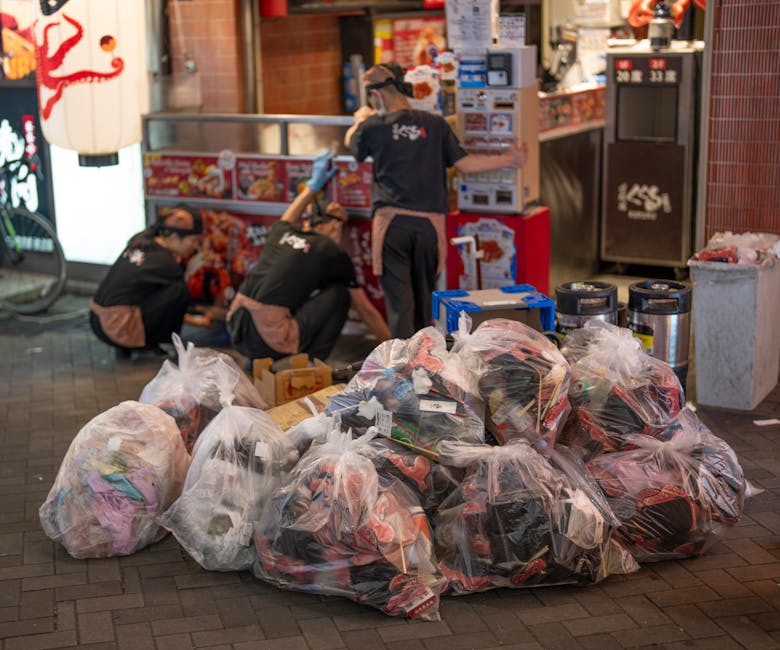
Instant quote: commercial rubbish clearance for Barking shops
If you run a shop in Barking, you already know that rubbish has a habit of piling up at the worst possible time. Cardboard from deliveries, broken shelving, old stock, packaging, office clutter, and that one awkward bulky item in the back room - it all takes up space fast. An instant quote: commercial rubbish clearance for Barking shops can make the whole process feel a lot less stressful, because you can move from "we need this gone" to "it's handled" without a long back-and-forth.
This guide explains how instant quoting works, what affects the price, which types of shop waste are usually handled, and how to avoid delays on the day. It also covers practical points like access, compliance, recycling, and choosing the right service for a retail environment. If you want a clear, sensible way to clear shop waste without disrupting trade, you're in the right place.
Quick takeaway: the best quote is not just the fastest one. It is the one that is clear about access, waste type, timing, and what happens after collection. Fast matters, yes, but clarity saves headaches.
Why instant commercial rubbish clearance matters
For shop owners, waste is not just an untidy inconvenience. It can eat into floor space, make stockroom movement awkward, and leave a poor impression if customers catch sight of overflowing bags or stacked packaging. In a busy retail street, that matters more than people think. A clean, open shop feels calmer, and calmer shops are easier to run.
Instant quoting is valuable because retail work is rarely predictable. A refurbishment might finish early. A supplier might dump more packaging than expected. A display change may leave you with old fixtures that need shifting before opening time on Monday. When you can get a rapid estimate, you can make decisions quickly rather than waiting around with a storage corner turning into a small disaster.
Barking shops also tend to deal with mixed waste streams. You might have cardboard, plastics, damaged fittings, non-hazardous junk, and the occasional bulky item all in one job. That mix can make pricing harder if you are trying to guess online. A proper instant quote narrows things down fast, so you know whether you need a small load, a part-load, or a full shop clearance.
There is another reason it matters: timing. Shop clearance often has to happen before opening hours, after closing, or in a tight window between deliveries. The quicker the quote, the quicker you can secure a slot that works around staff, customers, and access constraints. Let's face it, nobody wants a clearance team arriving while you are halfway through a delivery rush.
If your waste is part of a larger business premises refresh, it can help to compare the quote with broader support options such as business waste removal or, where fixtures and fittings are involved, office clearance. That way, you are not trying to fit a retail job into the wrong service type.
How instant quote: commercial rubbish clearance for Barking shops works
An instant quote is usually a quick assessment based on the details you provide. It is not magic. It is a structured way of estimating the job from the information that matters most: what needs removing, how much of it there is, where it is located, and how easy it will be to load.
Most quoting processes follow a simple pattern:
- You describe the waste. This might be cardboard, shop fittings, broken display units, bagged rubbish, old furniture, or mixed commercial waste.
- You explain access. For example: ground floor shop, narrow frontage, basement storage, rear alley, steps, or shared loading space.
- You give timing details. Same-day, next-day, before opening, after close, or during a scheduled refit.
- You share photos if needed. Clear pictures often improve quote accuracy. One wide shot and one close-up usually tell a lot.
- You receive a price or estimate. A good quote should explain what is included and flag anything that could change the final price.
The useful bit here is transparency. A decent clearance quote should not leave you guessing about labour, loading, recycling, or disposal. If something is uncertain, it should be explained clearly instead of hidden in vague wording. A quote that looks low at first but grows later is not really a bargain. Annoying, yes. Rare? Not especially.
For most Barking shops, the quote will reflect a few practical factors:
- Volume: how much space the waste takes up in the van or truck.
- Weight: heavier items can affect handling and disposal cost.
- Type of material: general commercial waste is different from mixed bulky items.
- Access and labour: stairs, tight corridors, or difficult loading routes add time.
- Urgency: same-day work is often priced differently from flexible booking.
If you want to understand pricing in a broader sense, their pricing and quotes page is useful because it helps you see how the estimate is normally built rather than just showing a headline figure.
Key benefits and practical advantages
Fast quoting has a few obvious benefits, but the real value is more practical than that. It keeps the job moving. It helps you plan the shift pattern. It means you can tell staff when the stockroom will be clear again, which sounds small until you are trying to unpack a delivery around a pile of broken shelving.
1. Saves time during busy trading periods
A shop clearance rarely happens in a quiet week, does it? You are usually juggling deliveries, customers, emails, and somebody asking where the spare keys are. A rapid quote helps reduce admin time, which means less chasing and fewer awkward delays.
2. Makes budgeting simpler
Retail budgets can be tight, especially if the clearance is linked to a refit, seasonal reset, or lease handover. A quick quote gives you a working number early, so you can decide whether to clear everything at once or split it into stages.
3. Reduces disruption to staff and customers
Good commercial rubbish clearance is designed around the shop floor, not the other way around. That means planning around opening hours, customer flow, and safe movement of items. The shorter the quote process, the faster the logistics can be arranged. Simple as that.
4. Supports tidier, safer premises
Loose packaging, broken items, and cluttered back-of-house areas create trip hazards and fire-risk concerns. Keeping those areas clear improves daily working conditions. Staff notice it immediately. So do customers, even if they never say it aloud.
5. Helps with recycling and responsible disposal
A proper clearance service should sort materials sensibly where possible. For many retailers, cardboard, wood, scrap metal, and reusable items can often be separated from general waste. If sustainability matters to your business, you may also want to look at recycling and sustainability to understand how the broader process is approached.
Practical summary: the best instant quote is the one that helps you make a clean decision quickly. Fast yes, but also clear, fair, and realistic about the work involved.
Who this is for and when it makes sense
Instant quote commercial rubbish clearance is a strong fit for shops that need something removed quickly and without fuss. It is especially useful if you run a small or medium retail unit where storage space is limited and every square metre counts.
This usually makes sense for:
- independent shops and convenience stores
- fashion and shoe retailers
- barbers, salons, and beauty shops with bulky waste or old fittings
- cafes and takeaway premises with mixed non-food waste
- pop-up shops and short-term retail spaces
- shops preparing for a refit, closure, or stockroom clearance
It is also useful when you have a one-off problem rather than a regular waste contract. Maybe a display unit has broken. Maybe the stockroom is full after a seasonal changeover. Maybe you have inherited a messy unit and need a reset before reopening. These are the moments when an instant quote can feel like a relief rather than a sales pitch.
To be fair, not every job needs urgency. If waste volumes are small and predictable, a routine collection arrangement may be enough. But if the problem is growing, the shop is getting cramped, or you need a fast turnaround, the instant quote route is usually the smarter choice.
For businesses with overlapping premises needs, it may also be worth looking at waste removal if the job is broader than a standard retail clear-out. That can help when you need a more general, flexible approach rather than a one-off shop-only service.
Step-by-step guidance
If you want the quote to be accurate the first time, a little preparation goes a long way. Nothing complicated. Just enough detail to help the clearance team understand the job properly.
Step 1: Walk the site and identify everything to be removed
Start by separating what stays from what goes. Sounds obvious, but this is where mistakes happen. Walk the shop, stockroom, basement, rear yard, and any storage nook. Make a rough list of bulky items, loose rubbish, bagged waste, and anything fragile or awkward.
Step 2: Take clear photos
Photos make a huge difference. Capture the waste from a few angles, and include any access points. If there is a tight staircase or rear entrance, show it. A photo of the pile is helpful, but a photo of the route out can be even more useful. That's the bit people forget.
Step 3: Note access conditions
Tell the clearance provider whether they can park nearby, use a loading bay, or need to carry waste a longer distance. Mention if there are stairs, narrow doors, or any time restrictions. In a shop setting, this often matters more than the waste itself.
Step 4: Confirm the waste type
Be honest about what is included. General shop rubbish is one thing. Mixed fixtures, heavy shelving, broken electronics, and construction debris are another. If the waste came from a refit, it may overlap with builders waste clearance, which can be more relevant than a standard rubbish collection.
Step 5: Ask what the quote includes
Does it include labour? Loading? Disposal? Recycling? Will there be extra charges for awkward access or heavier-than-expected items? Ask before booking, not after the van is on the street. You will save yourself a lot of back-and-forth.
Step 6: Book a time that suits trade
Many shops prefer early morning, late evening, or a quiet trading window. That keeps disruption low. If possible, build in a little buffer, especially if the site is busy or the job may take longer than expected.
Step 7: Prepare the area before arrival
Group waste together where practical, keep walkways clear, and separate items that must not be removed. A tidy setup speeds up the job and can help keep the quote close to the original estimate. Good prep, plain and simple, usually pays off.
Expert tips for better results
In our experience, the best commercial rubbish clearances are the ones where the shop gives enough detail upfront and the provider responds with equally clear expectations. It is a two-way thing.
- Use one contact person. When three staff members give slightly different instructions, things get messy quickly.
- Show the heaviest item first. If there is one awkward fridge, counter unit, or shelving frame, mention it right away.
- Share photos in daylight if possible. Natural light makes waste volume easier to judge. Evening shots can hide more than they help.
- Ask about separation. If cardboard, fixtures, and general waste can be split, the team may be able to handle the job more efficiently.
- Think about reopening. If you need to trade straight after collection, leave a buffer for sweeping, sign replacement, and a quick reset.
A slightly overlooked tip: if the clearance is part of a wider premises change, tie it into your planned works rather than treating it as an isolated problem. That way, you can coordinate the rubbish, the fit-out, and the final clean without crossing wires. Much less stressful.
If the job includes furniture or display units you no longer want, it can also help to review furniture disposal and furniture clearance options, especially where bulky shop fixtures are involved. Not everything that looks like rubbish is really general waste, and that distinction can matter.
Common mistakes to avoid
Most problems with clearance quotes happen because someone guessed, rushed, or left out a detail that turned out to matter. Fairly normal, really. But avoidable.
1. Describing everything as "a bit of rubbish"
That sounds convenient, but it is not very helpful. A pile of cardboard is not the same as shelving, and a few bin bags are not the same as mixed bulky waste. The more specific you are, the better the quote tends to be.
2. Forgetting access details
This is probably the most common issue. A straightforward job on paper can become awkward if there are stairs, a restricted loading area, or a locked rear entrance. Give the full picture early.
3. Not checking what is included
If you only ask for a price and not the inclusions, you may end up comparing very different offers. One quote might include disposal and labour, while another only covers collection. Apples and oranges, basically.
4. Leaving the pile unprepared
Mixed items strewn across a stockroom take longer to sort. Even a basic sort into bulky items, bagged rubbish, and recyclable cardboard can help the job move faster.
5. Booking too tightly around opening hours
Retail timings can be unforgiving. If the job runs long by twenty minutes, that can be enough to affect deliveries or staff start times. Leave a little margin where you can.
One more thing: don't assume the cheapest quote is automatically the best. If it is oddly low, it may not include some part of the service you actually need. That sort of surprise is not fun at 7:30 in the morning when the shop door is half open and a van is waiting outside.
Tools, resources and recommendations
You do not need specialist software to get a good quote. But a few practical tools make the process smoother and more accurate.
- Phone camera: use it to take clear photos of the waste and access points.
- Simple inventory note: jot down what is being removed, especially bulky or mixed items.
- Measuring tape: handy if you need to check whether items will fit through a doorway or down a stairwell.
- Calendar and shift plan: helps choose a collection slot that won't interrupt trading.
- Internal checklist: keeps your team aligned on what stays, what goes, and who is responsible for sign-off.
For shop owners who are also dealing with office furniture, back-room equipment, or non-retail stock, the office clearance service can be a useful point of comparison because it deals with similar planning concerns: access, lifting, timing, and responsible disposal. That crossover is more common than people think.
If you want a better feel for the company side of things before booking, about us is a sensible place to learn how the business presents itself and what kind of service approach you can expect. And if you already know the job details, contact us is the practical next step for getting the conversation started.
Law, compliance, standards and best practice
Commercial rubbish clearance sits in a world where practicality and compliance meet. You do not need to become an expert in waste law, but it helps to understand the basics so you can ask the right questions.
In the UK, businesses are generally expected to handle waste responsibly, use appropriately authorised carriers, and keep records where needed. For shop owners, the real-world takeaway is simple: do not hand waste over to a provider unless you are confident they operate properly and can explain what happens to the waste afterwards.
Good practice normally includes:
- clear descriptions of the waste type
- safe handling and loading
- responsible disposal or recycling routes
- basic documentation or booking records
- care around hazardous or restricted materials
If your waste includes anything unusual, such as electrical items, sharp materials, or contents from a refurbishment, make sure the provider knows in advance. Some materials may need special handling. It is better to ask a slightly cautious question than to have a misunderstanding on the pavement with a full van and no plan. Not ideal.
Health and safety also matter on shop sites. Clear walkways, managed lifting, and sensible loading procedures reduce risk for staff, customers, and the crew. You can review the provider's approach through pages such as health and safety policy and insurance and safety if you want extra reassurance before booking.
For those who are especially careful about payment handling, it is also reasonable to check payment and security. That is just common sense, really, especially when a business transaction is happening quickly.
Best-practice note: if a provider gives a very fast quote, that is fine, but it should still be based on clear information and honest assumptions. Speed should not replace due care.
Options, methods and comparison table
Not every Barking shop needs the same kind of rubbish clearance. Some just need a one-off collection. Others need a broader clearance with bulky items, old fittings, or mixed waste. This table helps compare the common options in plain English.
| Option | Best for | Typical strengths | Possible limitations |
|---|---|---|---|
| Instant quote for one-off shop clearance | Sudden clutter, end-of-season clear-outs, urgent waste removal | Fast decision-making, simple booking, good for time-sensitive jobs | Requires accurate details to avoid changes later |
| Scheduled commercial waste collection | Regular waste output and predictable volumes | Stable routine, easier planning, useful for ongoing operations | Less flexible for urgent jobs |
| Broader business waste removal | Mixed waste streams or multi-area premises | Good for complex jobs, better fit for non-retail premises too | May be more than you need for a simple shop clear-out |
| Refit-related clearance | Shop renovations, stripped fixtures, packaging and debris | Useful when the job overlaps with construction or fit-out waste | Requires careful separation of waste types |
If you are unsure which route fits, think about the dominant waste type and the urgency. A pile of cardboard after a delivery week is a different problem from a full stockroom strip-out. Very different, in practice.
Case study or real-world example
Imagine a small clothing shop in Barking after a seasonal reset. The owner has old display rails, damaged cardboard boxes, packaging wrap, a broken mannequin base, and a few bags of general rubbish in the back room. The shop still needs to trade, and the stockroom has become a squeeze, especially around the delivery shelf near the rear wall.
Instead of spending half a day guessing at prices, the owner takes three photos: one of the stockroom pile, one of the back entrance, and one of the display items. They note that access is via a narrow rear lane and that the job needs to happen before opening on Friday morning. The quote comes back quickly, with clear details about what is included and what would change the price if the load turned out larger than expected.
The useful part is not just the price. It is the clarity. The team can plan for early arrival, the owner can brief staff, and the shop is back to a usable state without guesswork. There is a certain relief in that moment when the clutter goes, the floor reappears, and you can hear the room again. If you have ever tried to work in a stockroom full of cardboard, you will know exactly what that feels like.
This kind of job is also where a provider's broader service range can help. If there are old counters, office-style items from the back room, or a bigger premises clear-out, it may make sense to cross-check with business waste removal and related services before booking. That way, the whole job is handled once, not in pieces.
Practical checklist
Use this checklist before you request your quote. It keeps things neat and cuts down on avoidable surprises.
- List all waste items clearly
- Separate general rubbish from bulky items
- Note whether anything is fragile, heavy, or awkward
- Take clear photos from more than one angle
- Show the access route and any parking or loading limits
- Confirm opening hours and preferred collection time
- Ask what the quote includes and whether labour is covered
- Check whether recycling or responsible sorting is part of the service
- Keep a copy of the booking details for your records
- Prepare the area so items are easy to reach on arrival
Extra tip: if your shop is due for a deeper clear-out beyond waste removal, it may be sensible to look at furniture clearance too. Old counters, broken seating, and unused shelving can change the shape of the job quite a bit.
Get a free quote today and see how much you can save.
Conclusion
An instant quote for commercial rubbish clearance in Barking is really about one thing: helping shop owners move quickly without losing control of the job. When the quote is clear, the collection is easier to plan, the store stays safer, and the whole process feels far less disruptive. That matters whether you are clearing a single awkward item or emptying a back room after a busy trading period.
The smartest approach is simple. Describe the waste honestly, show the access points, ask what is included, and choose a time that works with your trading day. Do that, and you are much more likely to get a smooth result first time. No drama. No last-minute scramble. Just a cleaner shop and a calmer week ahead.
And honestly, that breathing space is often worth more than people expect.
Frequently Asked Questions
How fast can I get an instant quote for shop rubbish clearance in Barking?
In many cases, you can get a quote very quickly once you provide the waste type, access details, and a few photos. The more precise your information, the faster and more accurate the estimate is likely to be.
What kinds of waste do Barking shops usually need cleared?
Common examples include cardboard, packaging, broken shelving, display items, old stockroom clutter, damaged furniture, and mixed commercial rubbish. If the job includes heavier fixtures or refurbishment debris, mention that early.
Is an instant quote fixed, or can it change?
It depends on the detail provided upfront. A good quote should be based on clear assumptions. If the waste volume, access, or type turns out to be different on arrival, the price may need to be adjusted.
Do I need to sort the rubbish before booking?
You do not always need to sort everything, but grouping similar items helps. Separating cardboard, general rubbish, and bulky pieces can make the collection faster and may help keep the estimate accurate.
Can the service work around shop opening hours?
Usually, yes. Many shop owners prefer early morning, late evening, or quieter trading windows. It is sensible to say what times work best when you ask for the quote.
What affects the price the most?
The biggest factors are usually volume, weight, access, labour time, and the type of waste being removed. Same-day or urgent bookings may also affect the price, depending on the job.
Is commercial rubbish clearance different from office clearance?
Yes, although there can be overlap. Shop clearances often involve retail fixtures, stockroom clutter, and packaging waste, while office clearance usually centres more on desks, chairs, paperwork, and office equipment.
What should I check before agreeing to a quote?
Check what is included, whether labour and disposal are covered, how access affects the price, and whether the provider explains the service clearly. If anything seems vague, ask before booking.
Can bulky shop furniture be removed too?
Often yes, depending on the item and the service arrangement. If you have old counters, shelving, or display units, it may help to explore furniture-related services as part of the clearance plan.
How do I know if the provider handles waste responsibly?
Look for clear explanations of disposal, recycling, and safety. Pages such as recycling and sustainability, health and safety policy, and insurance and safety can help you judge the approach before you book.
What if I only have a small amount of rubbish?
That is still worth quoting, especially if it is taking up valuable shop space or needs to go quickly. Small jobs can still make a meaningful difference, particularly in compact retail units where clutter gets in the way fast.
Where can I learn more about the company before I book?
You can read more on the about us page, review the terms and conditions, and use the contact us page if you are ready to ask for a quote or confirm details.