Renovation waste emergencies: Barking flat clearance tips
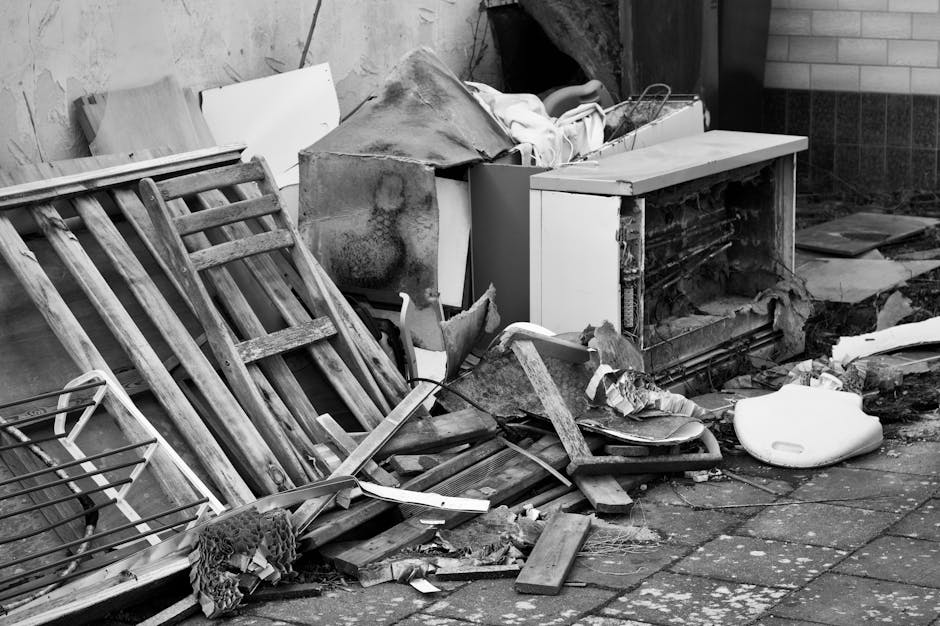
Renovating a flat in Barking can feel exciting right up until the waste starts piling up in the hallway, on the balcony, and beside the front door. One broken wardrobe becomes two bags of rubble. A kitchen rip-out turns into awkward sheets of chipboard, dusty plaster, and a bin area that is suddenly full before lunch. That is where renovation waste emergencies happen: the mess grows faster than your plan.
If you are dealing with a tight stairwell, neighbours who are not thrilled, or a deadline that has moved from "next week" to "this afternoon", you need a calm, practical approach. This guide gives you Barking flat clearance tips that work in real life, not just on paper. You will learn how to sort the waste, move it safely, avoid common mistakes, and decide when a professional clearance service is the sensible next step. Truth be told, that next step is sometimes the difference between a stressful weekend and a job that is finally under control.
For readers who want to understand the service side as well, it can help to review the company's about us page, recycling and sustainability approach, and health and safety policy before making any booking decisions.
Table of Contents
- Why Renovation waste emergencies: Barking flat clearance tips Matters
- How Renovation waste emergencies: Barking flat clearance tips Works
- Key Benefits and Practical Advantages
- Who This Is For and When It Makes Sense
- Step-by-Step Guidance
- Expert Tips for Better Results
- Common Mistakes to Avoid
- Tools, Resources and Recommendations
- Law, Compliance, Standards, or Best Practice
- Options, Methods, or Comparison Table
- Case Study or Real-World Example
- Practical Checklist
- Conclusion
- Frequently Asked Questions
Why Renovation waste emergencies: Barking flat clearance tips Matters
Flat renovation waste is not just "stuff to get rid of". In a Barking flat, it can affect access, safety, neighbour relations, and even the pace of the renovation itself. Bags stacked in a corridor narrow the escape route. Sharp offcuts can damage flooring. Heavy plasterboard dragged over a landing can leave marks on walls that you then have to repair. Small problem, big ripple effect. That is the reality.
The topic matters even more in flats because space is limited and shared areas are shared, which sounds obvious until you are carrying a lumpy bag of tiles down the stairs at 7:30 on a weekday morning. In many cases, waste builds faster than builders or DIYers expect. A simple kitchen replacement can generate packaging, timber, old units, broken fixtures, and mixed material that cannot just be left outside "for later".
There is also the emotional side. Renovation is already noisy and disruptive. Once waste starts spilling into the living area, the flat stops feeling like a project and starts feeling like a crisis. A clear clearance plan brings the temperature down. It gives you back control, and that alone is worth a lot.
Expert summary: In a flat renovation, waste removal is not an afterthought. It is part of the job plan. The earlier you separate, bag, and schedule removal, the fewer delays, safety issues, and neighbour complaints you are likely to face.
How Renovation waste emergencies: Barking flat clearance tips Works
The basic process is straightforward, though the reality is rarely neat. First, you identify what has been removed from the flat: broken furniture, packaging, old fittings, rubble, wood, metal, plaster, or general junk. Then you decide what can be reused, donated, recycled, or disposed of. After that comes the practical part: loading, moving, and clearing the waste from a building that may have tight access, shared entrances, or no lift. Easy to say. Less easy at 4pm when your arms are shaking a bit.
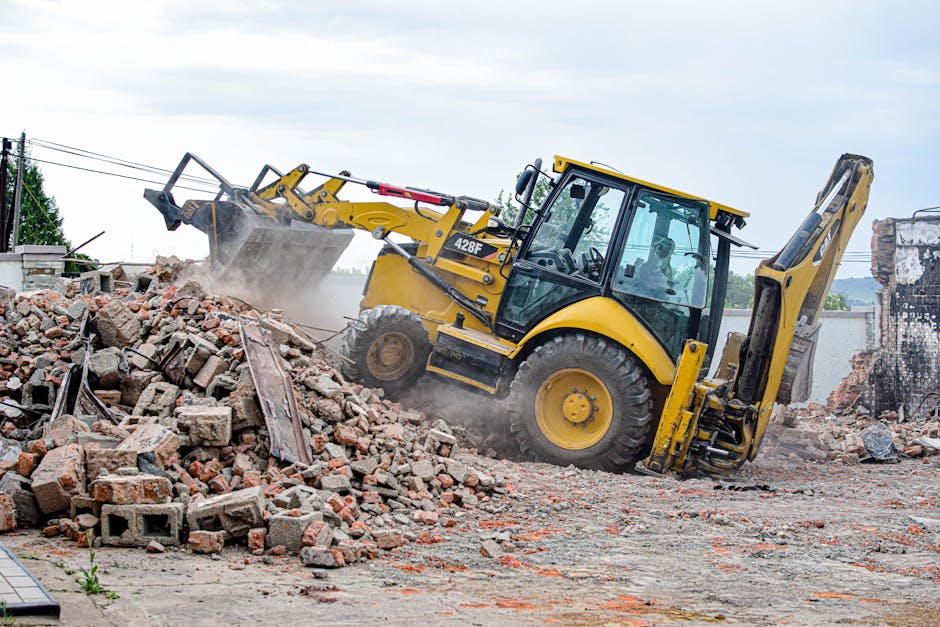
For emergency clearances, the key is speed without chaos. That means you need a method. Start by creating a temporary waste zone inside the flat, usually near the entrance but not blocking the door. Separate sharp, heavy, recyclable, and general items. If rubble, plasterboard, and wood are all mixed together, the job becomes slower and often more expensive. If you sort early, you can often clear more efficiently and reduce avoidable handling.
In a Barking flat, building layout matters. Older properties may have narrow stairs and awkward corners. Newer flats may have concierge rules, lift booking windows, or loading restrictions. The clearance method should fit the building, not the other way round. That is where experience really helps.
Professional teams typically work with a quick assessment, a loading plan, safe lifting practices, and responsible disposal. If you are comparing providers, it is sensible to check the company's insurance and safety information and pricing and quotes page so you understand what is covered and how estimates are handled.
Key Benefits and Practical Advantages
A well-managed renovation waste clearance is not just about tidiness. It can change the whole momentum of the project. When waste is under control, tradespeople can move more freely, you spend less time stepping over debris, and the flat feels livable again sooner. That matters, especially if you are still staying in the property during the work.
- Faster progress: Clear spaces let decorators, fitters, and cleaners do their work properly.
- Lower risk of injury: Fewer trip hazards, less lifting strain, and less chance of cuts from sharp materials.
- Better neighbour relations: Less noise, fewer blocked communal areas, and fewer complaints.
- Improved recycling: Materials can be separated more sensibly instead of being lumped together.
- Less stress: A plan reduces the feeling that the waste is taking over the flat.
- Cleaner finish: The final clean is much easier when the bulky debris has gone first.
There is a hidden benefit too: decision fatigue drops. Renovation work asks you to make endless choices. Once waste starts drifting into every room, even deciding where to put a tea mug becomes annoying. Clear it out and the whole place breathes again.
Who This Is For and When It Makes Sense
This advice is for anyone dealing with renovation waste in a Barking flat, but it is especially useful if the job has become more urgent than expected. Maybe the builder has finished a day early and the waste must go now. Maybe a skip is not practical because of parking or access. Maybe the council collection timing does not line up with your renovation schedule. Or maybe the pile has simply become too much to handle safely on your own.
It tends to make sense for:
- flat owners doing kitchen, bathroom, or living room refurbishments
- landlords turning a unit around between tenancies
- property managers dealing with mixed renovation debris and old furniture
- DIY renovators who have underestimated the amount of waste generated
- tenants with landlord permission who need a tidy, time-sensitive clearance
It is also relevant if you only have a few hours to get a flat back into a usable state before handover, inspection, or a move. That "we'll sort it tomorrow" mindset has a way of becoming a very long tomorrow.
One sensible rule: if waste is blocking access, creating a hazard, or likely to upset neighbours, treat it as a priority rather than a low-value chore.
Step-by-Step Guidance
1. Stop the pile from spreading
The first move is containment. Use one part of the flat as a staging area and keep all waste in that zone. If possible, choose a spot that is easy to carry from but does not block movement. Lay down protective sheets or old cardboard if floors are vulnerable. It sounds basic, because it is basic, but it saves a lot of damage.
2. Separate the waste by type
Split waste into clear groups: rubble and heavy materials, wood, metal, cardboard and packaging, old fixtures, and general junk. Keep hazardous or awkward items apart. The goal is to make lifting and loading easier. Mixed waste is usually slower to clear and harder to assess.
3. Remove the most dangerous items first
Sharp offcuts, broken glass, nails, and unstable stacks should go before anything else. If there are broken tiles or plaster edges, wrap them properly. A quick tidy-up here can prevent cuts and awkward slips. Sometimes the dangerous bit is not what looks heavy, but what looks harmless.
4. Measure access before moving anything
Check doors, stairwells, hallways, lift dimensions, and any building rules that may affect removal. In flats, the route matters almost as much as the rubbish itself. If you can already picture how the biggest item will turn a corner, you are ahead of the game.
5. Choose the right removal method
For a few bags, a DIY trip to a local facility may be enough if you have the means and the time. For a larger or mixed renovation load, a professional clearance is usually more practical. It avoids repeated lifting and reduces the risk of making multiple half-finished trips. Nobody enjoys hauling a broken wardrobe down three flights, then realising the lift is out. Nobody.
6. Book a slot and confirm the details
If you are using a clearance service, share what the waste includes, where it is located, whether there are stairs, and whether parking or access is tight. Accurate details help avoid delays and surprise costs. If you need a formal next step, the contact page is the place to start, and if you want to understand terms before proceeding, the terms and conditions page is worth a look.
7. Finish with a sweep and final check
Once the waste is out, do a slow walk-through. Check corners, skirting boards, balcony edges, and behind doors. Little fragments hide in plain sight. A second glance often catches the one forgotten bag that would otherwise sit there for another week.
Expert Tips for Better Results
A few experienced habits can make a surprisingly large difference. To be fair, most people do not learn these until after one messy clearance. That is fine, but if we can save you that lesson, even better.
- Use smaller bags than you think you need. Overfilled bags are awkward on stairs and more likely to split.
- Keep a "don't mix this" box. Put cables, screws, fixings, and reusable fittings aside if you may need them later.
- Work top-down in the flat. Clear loft, shelves, and upper storage before the main floor starts to fill up.
- Protect communal areas early. If the route is long, use floor protection and keep the path clean as you go.
- Take short breaks during lifting. Fatigue causes sloppy handling and that is when things go wrong.
- Photograph the load before collection. It helps with expectations, especially if the waste is unusually bulky or mixed.
If the property is still occupied, work in short bursts rather than trying to clear the whole thing in one exhausting push. A couple of deliberate sessions usually beats one frantic sprint. And yes, the tea break matters more than people admit.
Common Mistakes to Avoid
The same mistakes show up again and again in flat renovation clearances. They are easy to make because the pressure is real. But once you know them, they are easier to avoid.
- Leaving waste in hallways: It blocks movement and creates a fire and trip risk.
- Mixing everything together: This makes the load heavier to handle and less efficient to sort.
- Underestimating weight: A bag that looks fine on the floor can become brutal on stairs.
- Ignoring building access rules: Lift bookings, parking, and timing restrictions can wreck a rushed plan.
- Forgetting sharp edges: Nails and broken materials are common causes of minor injuries.
- Assuming one trip will be enough: Renovation waste has a habit of multiplying when you turn around.
A quieter mistake is emotional, not practical: waiting too long because the waste feels overwhelming. That one is understandable. You look at the pile, sigh, and decide to "deal with it later". Later is usually worse. Start small, and the job starts shrinking.
Tools, Resources and Recommendations
You do not need fancy equipment, but the right basics make the work safer and less miserable. For smaller DIY clearances, sturdy sacks, work gloves, a hand trolley, dust sheets, and tape are usually enough to get started. A step ladder can help with upper cupboards, and a torch is oddly useful in gloomy corners and under units.
For bigger loads, the most valuable resource is a well-planned removal service. What matters most is that they can handle access issues, mixed waste, and safe loading without making the situation more complicated. When reviewing providers, look for clear explanations of safety practices, payment handling, and sustainability. The relevant pages on payment and security and recycling and sustainability can help you gauge those points before you commit.
If you care about how a company works with customers and resolves issues, the complaints procedure is a useful signpost. It does not mean you expect a problem. It means you value clarity. Sensible, really.
Law, Compliance, Standards, or Best Practice
Waste removal in the UK should be approached carefully, especially when renovation materials are involved. The exact duties can depend on the type of waste, the property, and who is carrying it away. In plain English: do not guess. If you are disposing of mixed renovation debris, it is best practice to use a responsible route that keeps material traceable, handled safely, and disposed of properly.
For flat clearances, the main compliance themes are usually:
- Safe handling: Avoid putting yourself, neighbours, or contractors at risk.
- Proper sorting: Separate materials where practical so recyclable items do not get contaminated unnecessarily.
- Access and obstruction: Keep communal areas clear unless there is a planned, short-term loading arrangement.
- Duty of care: Make sure waste goes to a proper destination and is not fly-tipped or dumped casually.
Best practice also includes insurance awareness. If a provider is moving bulky or heavy items through a building, you want assurance that they take safety seriously. That is why the company's insurance and safety information matters. It gives you a clearer picture of risk management before any work starts.
Where building management is involved, check the property's own rules on lift use, waste storage, and loading access. Those rules can be more immediate than general expectations, and ignoring them can create a headache nobody needs.
Options, Methods, or Comparison Table
There is no single perfect way to deal with renovation waste. The right method depends on volume, urgency, access, and your tolerance for hard work. Here is a practical comparison to help you think it through.
| Method | Best for | Pros | Limitations |
|---|---|---|---|
| DIY bag-and-carrier trips | Small amounts of light waste | Low cost, flexible timing | Slow, physically tiring, not ideal for heavy materials |
| Own vehicle disposal | Moderate loads with easy access | Quick if managed well, useful for separated waste | Requires time, transport, lifting, and planning |
| Skip hire | Larger projects with space outside | Good capacity, straightforward for ongoing work | Can be awkward in flats, access and permit issues may apply |
| Professional flat clearance | Urgent, bulky, mixed, or hard-to-move waste | Fast, efficient, less manual effort, safer for awkward items | Usually higher upfront cost than DIY |
In many Barking flats, professional clearance ends up being the most practical choice when access is tight or time is short. That does not mean DIY is wrong. It just means the "cheapest" option is not always the one that saves you the most hassle. Funny how that works.
Case Study or Real-World Example
A typical scenario goes like this. A one-bedroom flat in Barking has just had its old kitchen stripped. The tenant is moving out in two days, the landlord wants the property ready for cleaning, and the hallway now contains broken cabinet panels, packaging, a couple of heavy worktops, and an alarming number of screws in places they should not be. The flat itself is still liveable, but only just.
The first step is to stop the waste spreading into the living room. The next is to separate the materials into lighter bags, timber pieces, and bulky items. The route to the front door is checked, because the lift is small and the stairwell bends sharply at the second landing. Instead of trying to force everything out in one chaotic push, the removal is staged. The heaviest items are moved first, then smaller bags, then a final sweep is done for loose debris and fittings.
What changed the outcome was not brute force. It was planning. The tenant avoided damage to the communal hallway, the landlord got the flat back on schedule, and the team did not spend the afternoon wrestling with an oversized pile of mixed rubbish. That is the kind of result most people want, even if they do not say it out loud.
Practical Checklist
Use this checklist before you start moving renovation waste out of a Barking flat:
- Identify what type of waste you have
- Separate rubble, wood, metal, packaging, and general junk
- Remove sharp items and wrap them safely
- Check stairs, lifts, hallways, and entry routes
- Confirm any building rules or access restrictions
- Protect floors and walls in high-traffic areas
- Use smaller, manageable bags instead of overfilling
- Keep communal spaces clear
- Decide whether DIY removal is realistic
- Get a quote if the load is bulky, urgent, or awkward
- Make sure the final area is swept and checked
Quick tip: if you are hesitating over whether to call in help, that usually tells you something. Not always, but often enough.
Conclusion
Renovation waste emergencies in a Barking flat are rarely about one huge disaster. More often, they are about several small issues arriving at once: mixed debris, awkward access, time pressure, and a flat that suddenly feels unmanageable. The good news is that most of it can be handled with a steady process. Sort early, protect the space, respect the building layout, and do not wait until the pile becomes a safety problem.
The best Barking flat clearance tips are usually the simple ones: keep waste contained, move safely, plan the route, and choose the right disposal method for the job. If the clearance is bigger than you expected, there is no shame in getting help. In fact, that is often the smartest, calmest choice.
Get a free quote today and see how much you can save.
If you would like to understand more about the business behind the service, the team's approach is outlined on the about us page, and you can also review the contact options to take the next step when you are ready.
Sometimes the best renovation decision is the unglamorous one: clear the mess properly, breathe out, and let the flat start feeling like home again.
Frequently Asked Questions
What counts as renovation waste in a flat?
Renovation waste can include old cabinets, broken tiles, plasterboard, timber offcuts, packaging, fixtures, bathroom fittings, flooring, and mixed junk left behind after stripping or refurbishing a room.
How do I deal with renovation waste in a Barking flat if I have no lift?
Keep loads small, protect stair edges, and avoid overfilling bags. For bulky items, a clearance team that is used to stair-only access is usually the least stressful option.
Can I leave renovation waste in the communal hallway for collection?
Usually no, unless you have clear permission and a very short, controlled loading plan. Shared areas need to stay accessible and safe for everyone.
Is it better to hire a skip or book a flat clearance?
It depends on access, volume, and timing. A skip can suit larger projects with space outside, while flat clearance is often better for awkward access, mixed waste, or urgent removal.
How can I reduce the cost of waste clearance?
Sort materials before collection, remove anything reusable, and give accurate information about access and volume. Good preparation tends to make the job more efficient.
What should I sort out first in a renovation waste emergency?
Start with safety: sharp objects, unstable piles, and any waste blocking doors or exits. After that, separate the rest into manageable groups.
Do I need to worry about recycling when clearing renovation waste?
Yes, where practical. Keeping wood, metal, cardboard, and rubble separate can improve recycling options and make the overall clearance smoother.
How quickly can a flat be cleared after renovation work?
That depends on the amount of waste, the access route, and the size of the team. Small loads can be quick; bigger or mixed loads naturally take longer.
What if the waste is too heavy to move safely by myself?
Do not force it. Heavy items, especially plasterboard, worktops, and broken furniture, are best handled with proper lifting support or professional help.
How do I know if a clearance company is trustworthy?
Look for clear information on safety, insurance, payment handling, complaints, and sustainability. Transparent policies are a good sign that the company takes the work seriously.
Can renovation waste emergency clearances help with landlord handovers?
Yes. When a flat needs to be returned quickly, fast removal of renovation debris can help you meet cleaning, inspection, or move-out timelines without leaving a mess behind.
What is the safest way to bag renovation waste?
Use smaller bags, avoid overloading them, and keep sharp items wrapped or boxed separately. A bag that is easy to lift is better than one that looks impressively full but nearly pulls your shoulder out.